
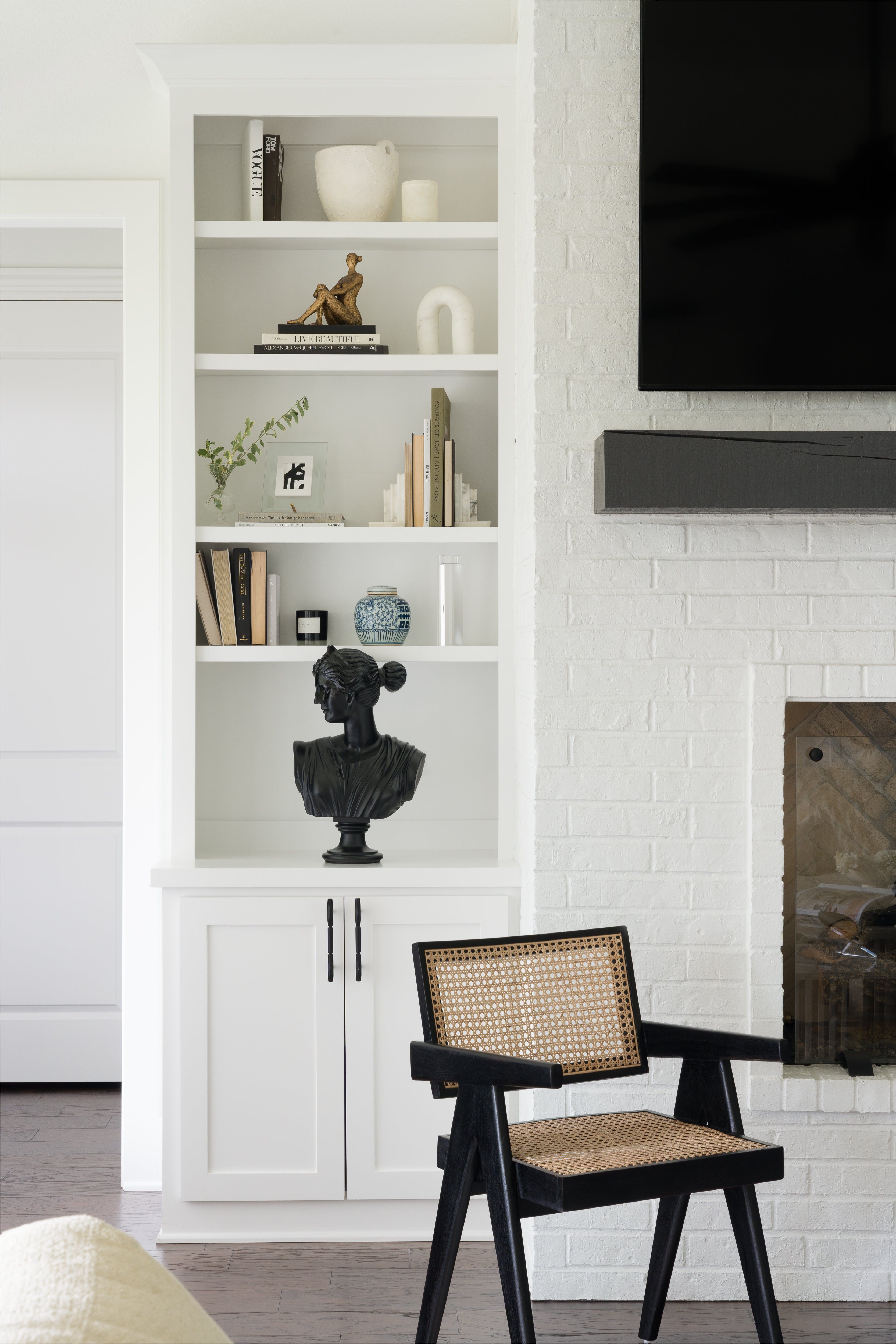
Mixing Different Home Interior Styles: Everything You Need to Know for Designing a Cohesive Home
The best homes rarely follow the rules. As an East Texas interior designer, some of my favorite spaces pull from multiple eras and styles; think a vintage wood cabinet beneath modern lighting, or an antique mirror reflecting clean, minimal lines. Mixing different home interior styles adds that effortless, lived-in feel that looks collected over time rather than designed overnight. Let’s talk about how to do it with intention, balance, and a little bit of risk.

Why Should You Mix Different Home Interior Styles?
If you’re wondering why you should even want to mix different interior design styles, consider the following reasons:
-
It adds depth and character to a space.
-
It prevents your home from feeling themed.
-
It allows your personal taste to shine through in unique, unexpected ways.
-
It blends the old with the new beautifully (especially in homes with historic features!).
-
It allows you to bring in pieces that hold personal significance. If you have a vintage heirloom that you would love to incorporate, you don’t have to worry about it “not matching” your primary style, because you can blend it in!

The Steps to Mixing Different Home Interior Styles
Mixing styles isn’t just throwing together pieces you love and hoping they all work. There’s a method to the madness, and I’m giving you the blueprint.
Start With The Anchor: Your Home’s Architecture
Every home has a story to tell, and its architecture is what comes first. Whether you live in a 1920s craftsman, a sleek new build, or a cozy country cottage, your home’s bones naturally lend themselves to a certain style. The key to mixing different interior design styles is to honor that style as your foundation; use this style as a baseline for deciding on things like wall colors and large furniture!
For example, if you live in a cottage-style home with original trim, exposed beams, or vintage windows, filling it with modern, high-gloss contemporary furniture may feel visually disconnected, even if the individual pieces are beautiful on their own. That doesn’t mean you can’t incorporate modern elements, but they should complement the character of the house as opposed to competing with it. Instead, you should try incorporating a couch that screams cottage, old wood furniture, and an overall neutral, cozy color palette.

Layer in Secondary Styles
Once your foundation is in place, you can start adding accents from other styles you love. Whether it’s boho, industrial, art deco, or Scandinavian decor, introduce these styles through smaller accents like lighting, textiles, side tables, or artwork!
This is a great way to see what works and what doesn’t work. Going back to the cottage-style home mentioned above, you could consider adding in some industrial light fixtures or boho patterns in things like throw pillows.

Create Visual Connection and Cohesiveness
The key to mixing different home interior styles is keeping things in line with overall consistency. Think of things like a similar color palette throughout all decor and furniture, calling back to certain textures or materials, or even using some of the same pieces in different rooms! For example, if you use a boho throw pillow in the living room of your cottage home, consider using that same pattern somewhere in a bedroom.

Balance Proportions and Shapes
Mixing styles will always work best when you intentionally balance the scale, lines, and weight of your furniture. For example, a curvy, traditional armchair can look stunning next to a clean-lined, modern coffee table, especially if they share a common tone or material. Just be sure that you’re following all the steps above when you’re mixing furniture styles like this!

Don’t Overcrowd It
Every room doesn’t need every style. Incorporating too many different interior styles in one room can quickly become chaotic and messy, and make it feel way less intentionally designed. For the cottage-home example, we may not want to add cottage decor, boho decor, industrial decor, AND modern decor. We want to create a cohesive look, which is best achieved by sticking to just a couple of complementary styles.

Brittney Lane | East Texas Interior Designer
What I hope you take from this guide is that mixing different home interior styles doesn’t mean throwing design rules out the window. In fact, it often requires a deeper understanding of scale, balance, and cohesion. And when done right, it leads to homes that feel not just styled, but lived in, loved, and entirely your own! If you’re ready to create a home that feels just like that, celebrated and true to you, you can book a consultation with me right here.
While you’re here, check out some more interior design tips and inspiration:
How to Mix Modern and Vintage Decor to Add Character to Your Space
How to Add Character When You’re Designing a New Home
What Are Art Prints? The Ultimate Guide to Wall Art & How to Use Them in Your Interior Design
Read more
One of the biggest factors for how a room feels? The paint. And I don’t just mean the color, I mean the paint sheens, too! As an East Texas interior designer, this is something that I know gets ove...
A light fixture can make or break a room in any home, and is often something that’s both beautiful and functional. Even the most stunning fixture can easily ruin the whole aesthetic and flow of the...